Start with your operation
The two-row configuration offers a shorter body and a smaller supplier-listed turning radius. The three-row configuration has higher listed occupant and load ratings. Start with those differences, then check each against your route and passenger service. This guide interprets the two supplier specification sheets; it does not report independent vehicle testing. The row names describe the configurations because formal model codes have not been supplied.
Match the seating layout to the people travelling
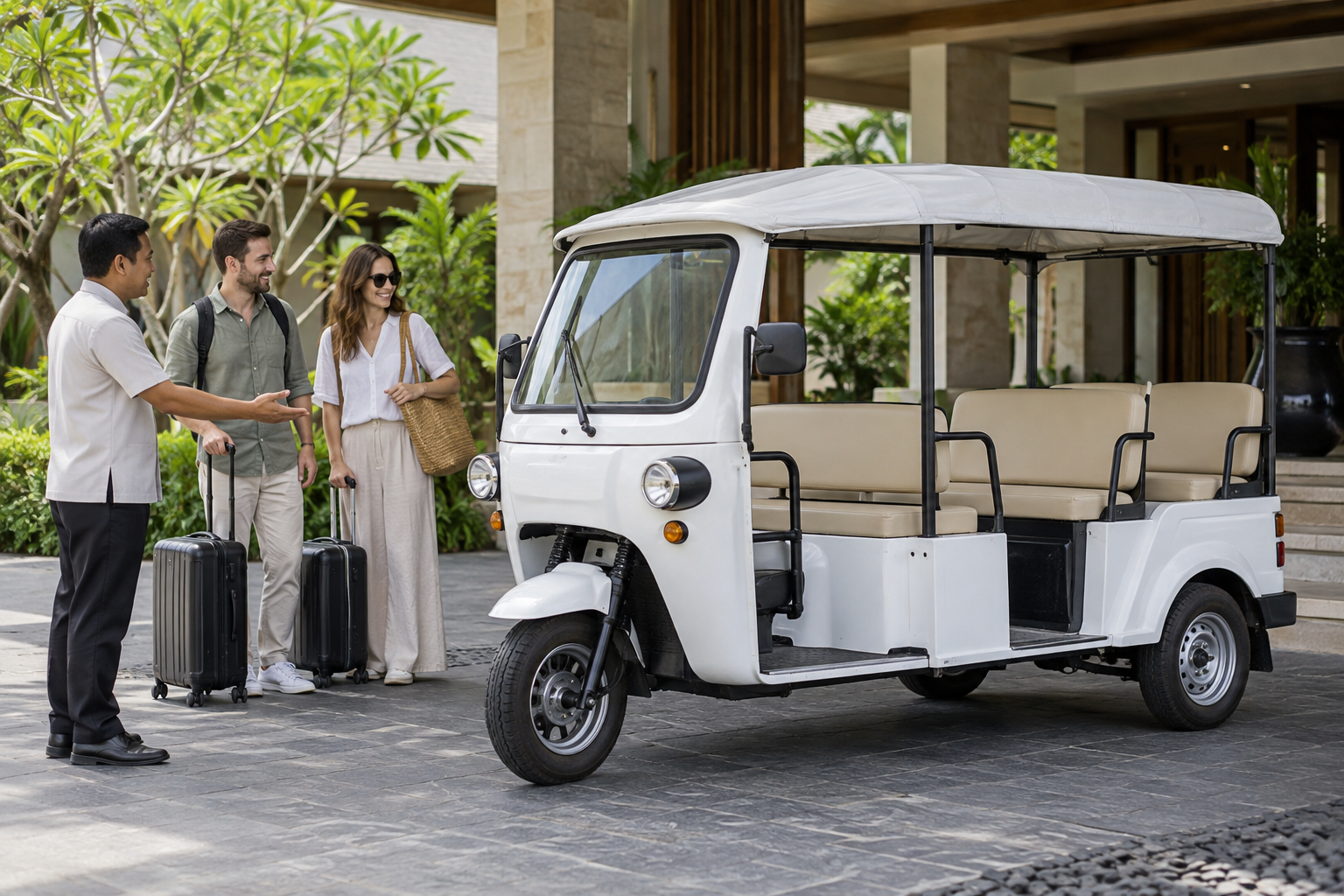
Record passengers per trip, peak demand, luggage and boarding needs. The sheets list rated occupants, but do not clarify whether the driver is included. Do not turn those figures into passenger-seat promises. Request a seating drawing identifying the driver position and each permitted occupant position.
Consider the three-row layout when the confirmed seating arrangement would meet demand that the two-row cannot. If the smaller layout meets your passenger requirement, assess whether its shorter body makes it the better fit for your route. Check access to every row and space for luggage on the actual configuration.
Check the whole route, including turns and stops
The supplied dimensions show a difference in length and wheelbase, with the same listed width and height. Measure gateways, covered entrances, parking bays and boarding areas. A shorter vehicle still needs sufficient width, overhead clearance and space for people to enter and leave.
Treat the listed minimum turning radius as an initial comparison. It does not specify the corridor width needed for a corner or U-turn. Ask how the radius was measured and request a turning-path drawing showing the space occupied by the whole vehicle. Check the tightest manoeuvre on your route with the proposed configuration before selecting it.