Send an enquiry that can become a clear quotation
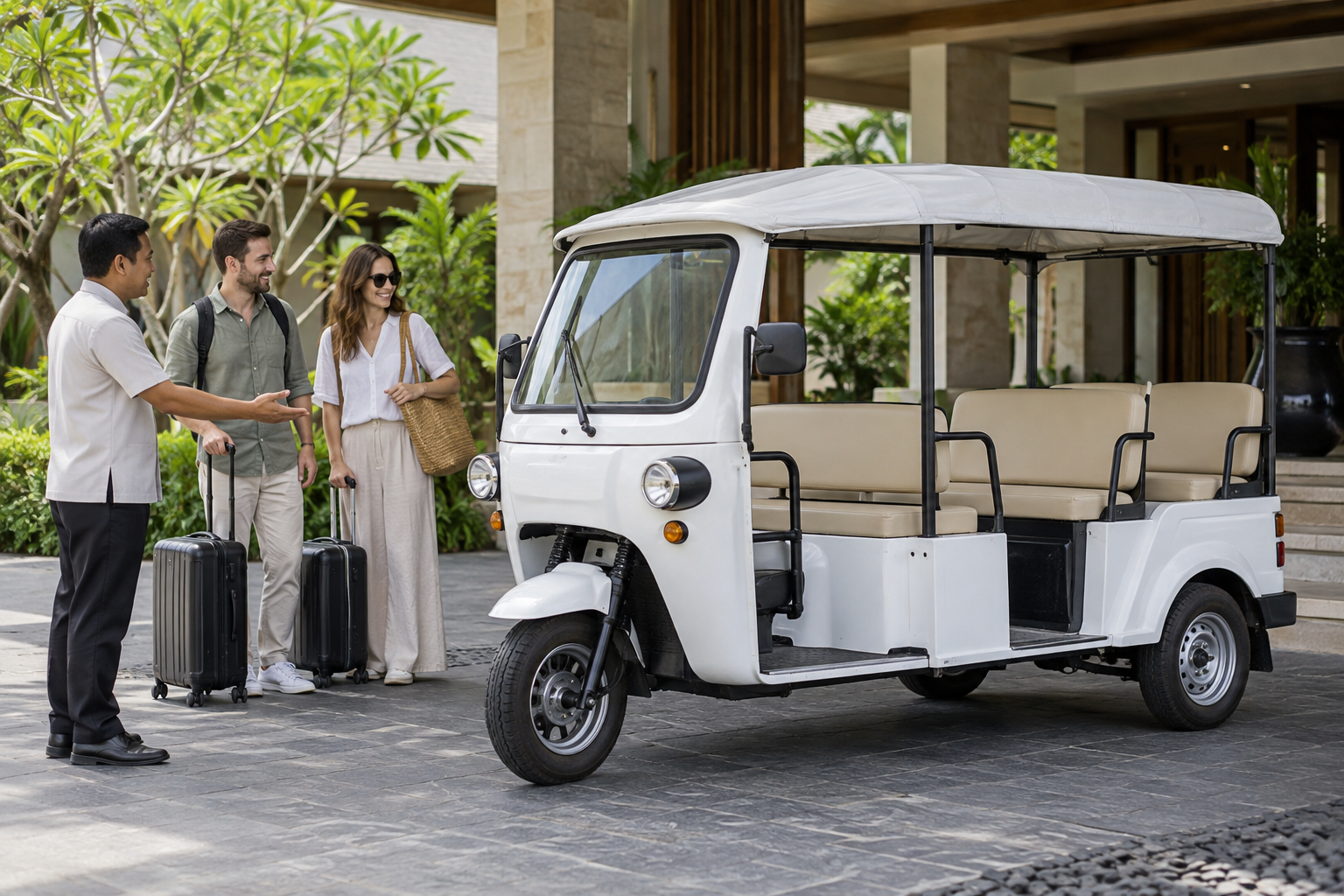
Start with your destination country and city, preferred model, initial quantity and potential follow-up quantity. Explain the intended use, such as passenger transport, a hotel shuttle or a site route. Give the approximate daily distance, expected passenger load, road surface, slopes and available charging time. Route photographs or a short video can make the discussion more specific.
Describe the customization you want: body color, logo artwork, seating preferences, canopy requirements and proposed accessories. Separate essential requirements from preferences. Ask the factory to identify which items are available on the selected model and which require a separate technical review. Include your intended launch date, with time for evaluation and transport.
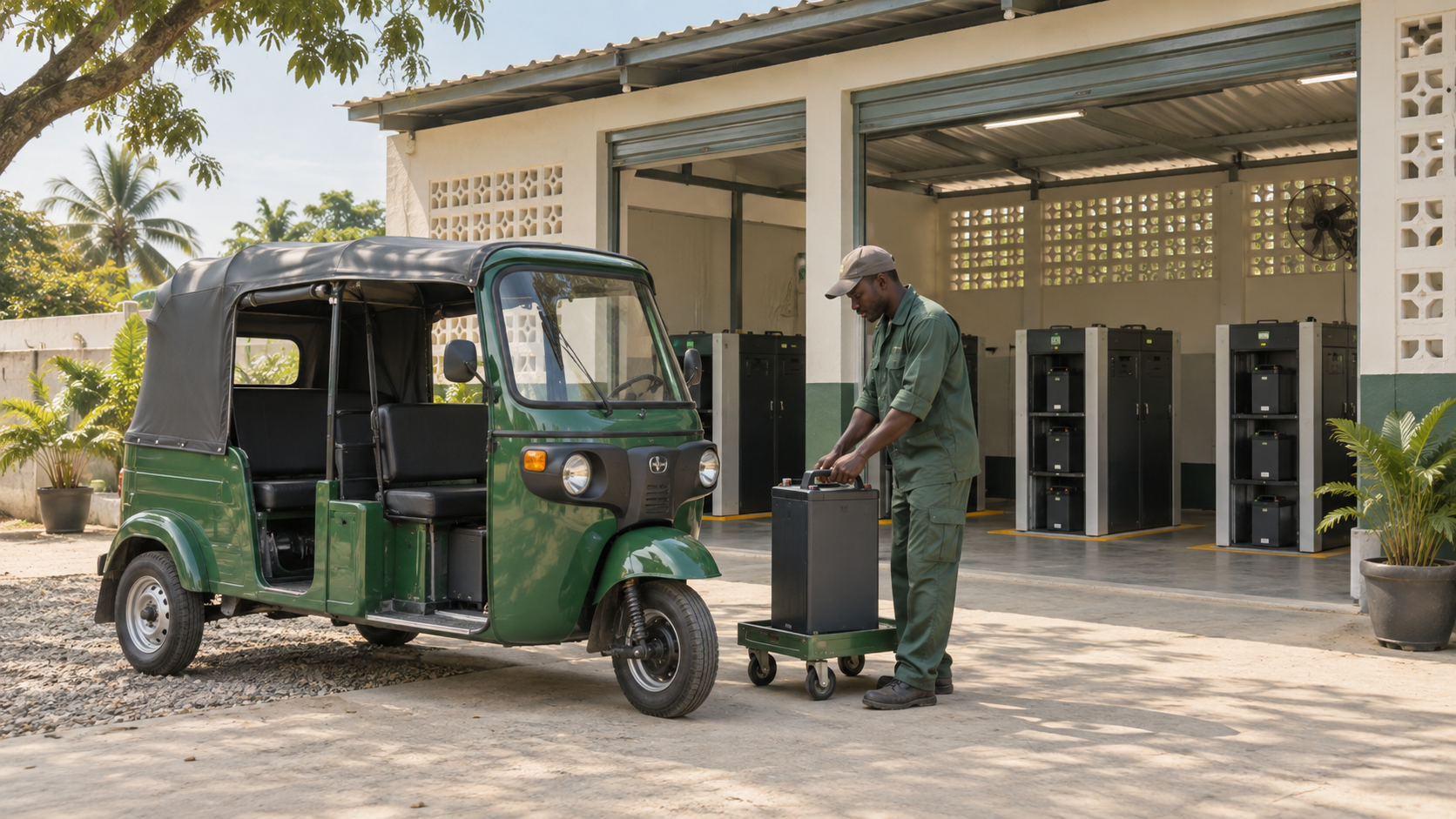
If individual drivers cannot charge at home, mention this immediately. A compatible battery-swapping configuration may allow a local operator to hold spare batteries and recharge returned packs at a service point. Request a matched vehicle, battery and charger proposal through our battery-swapping solution page.
This route-first approach follows the fleet-selection principle in the US Department of Energy’s fleet guidance: assess daily work and charging needs before selecting equipment. Confirm the electrical supply and approved charger for your actual model locally.
Confirm what the sample lead time includes
Use the current sample and bulk production estimates shown above for initial planning. Obtain an order-specific timeline for the quantity and agreed customization before committing to an operating date.
Ask which event starts the production period: agreement on the specification, payment or approval of artwork and other details. Record the agreed start point and estimated completion date. Sample preparation, buyer evaluation, any revisions, production, shipping and customs clearance are separate stages. An approximate production period should not be used as an arrival-date promise.
Agree and record your sample acceptance checks
Before the sample is prepared, agree what you will inspect and how observations will be recorded. Give the sample a reference linked to its model, battery, charger, selected options and quotation revision. Keep the approved specification, photographs, measurements and any changes together so both sides can refer to the same vehicle.
Check the delivered seating layout, access, key dimensions, controls, accessories and visible finish against that record. Plan a supervised evaluation on a suitable permitted route within the manufacturer’s operating limits. Note the passenger load, route, distance, road condition, weather, starting and finishing battery indication, and any stops. These conditions help explain the result and make repeat checks more useful.
For a road-test video, request the model and configuration shown, the load, route conditions and test duration. A simulated African road-condition test is supporting evidence for discussion; it does not establish that every local route is suitable. List issues, agreed corrections and unresolved questions before approving the configuration for a larger order.
Compare quotations against the same specification
Send each supplier the same brief. Compare the model, seating, battery specification, charger, customization, accessories, spare parts, packaging and included documents. Ask for the quoted quantity, currency, price validity and delivery basis. A difference in the battery or included equipment can make headline vehicle prices difficult to compare.
Request separate confirmation of sample charges, production timing, warranty terms and after-sales support. Identify who pays for transport, insurance, destination handling and import-related charges under the agreed delivery terms. Record exclusions and open questions alongside the price so that a lower figure does not hide an incomplete scope.
Approve the bulk specification and logistics together
After evaluation, send one consolidated approval record with the final configuration and any accepted corrections. Reconfirm the quantity, price, payment milestones, production completion estimate and inspection arrangements. Agree how any later change will affect the quotation and schedule before it enters production.
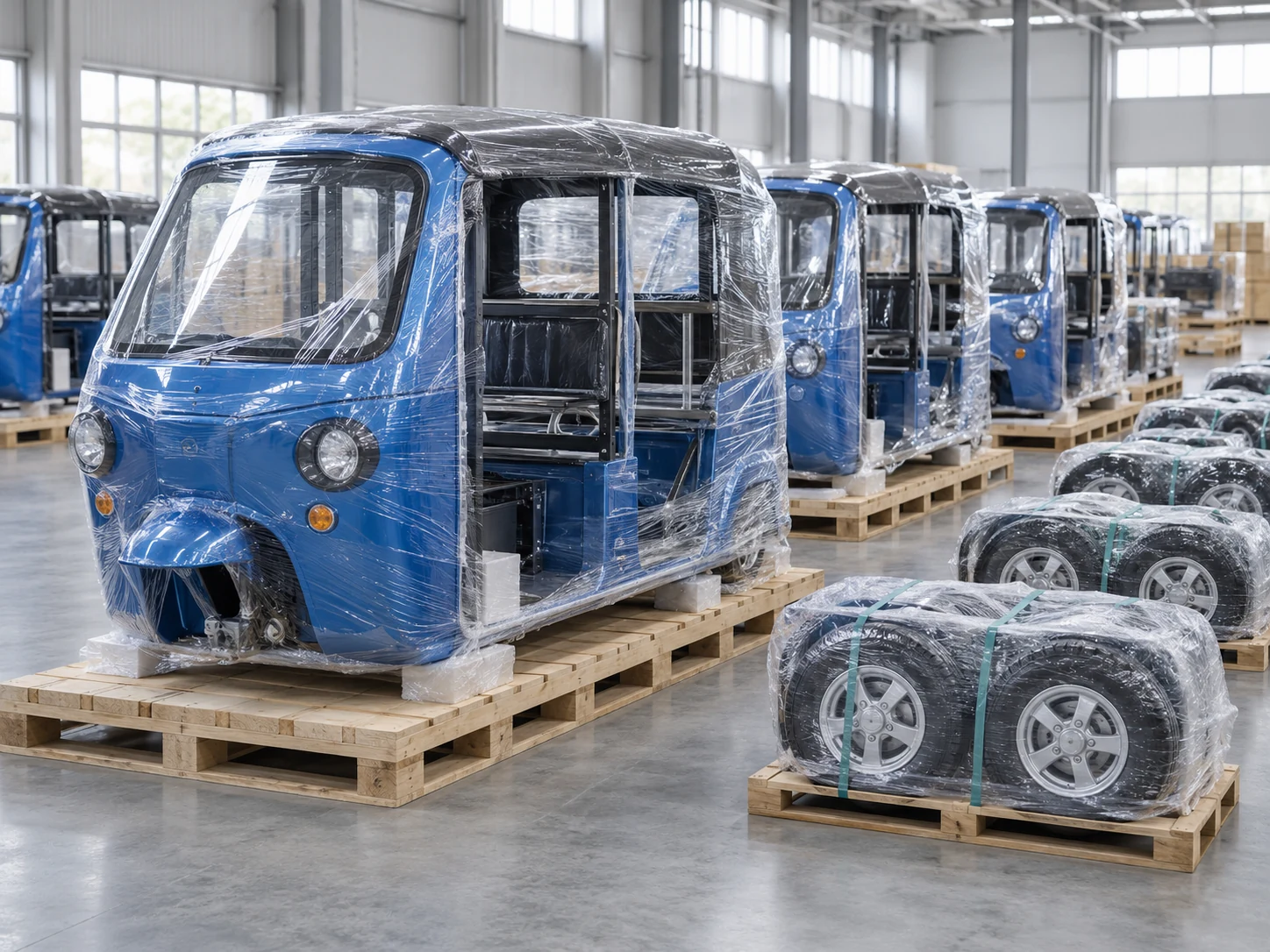
Before booking shipment, confirm the destination, packing method, transport arrangements and required documents with your importer or freight forwarder. The International Trade Administration’s export-document guide explains the different roles of a commercial invoice, packing list and transport documents. Use it as a starting checklist; the documents required for your destination and vehicle must be checked separately.
To begin, choose a passenger model below and send your destination, one-vehicle sample requirement, likely future quantity and customization brief. We can then discuss a quotation and evaluation plan that connects the first vehicle to your purchasing decision.