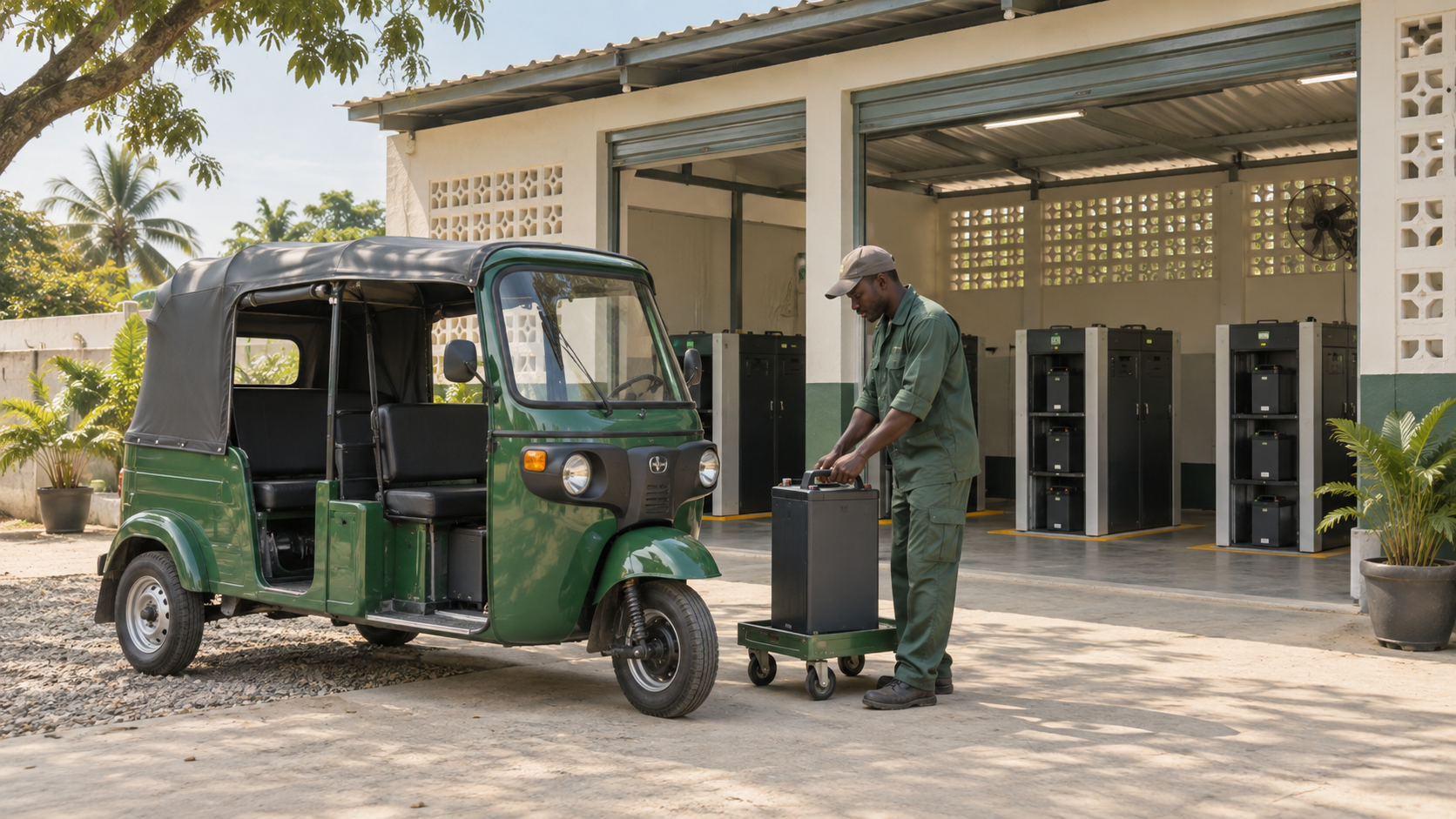
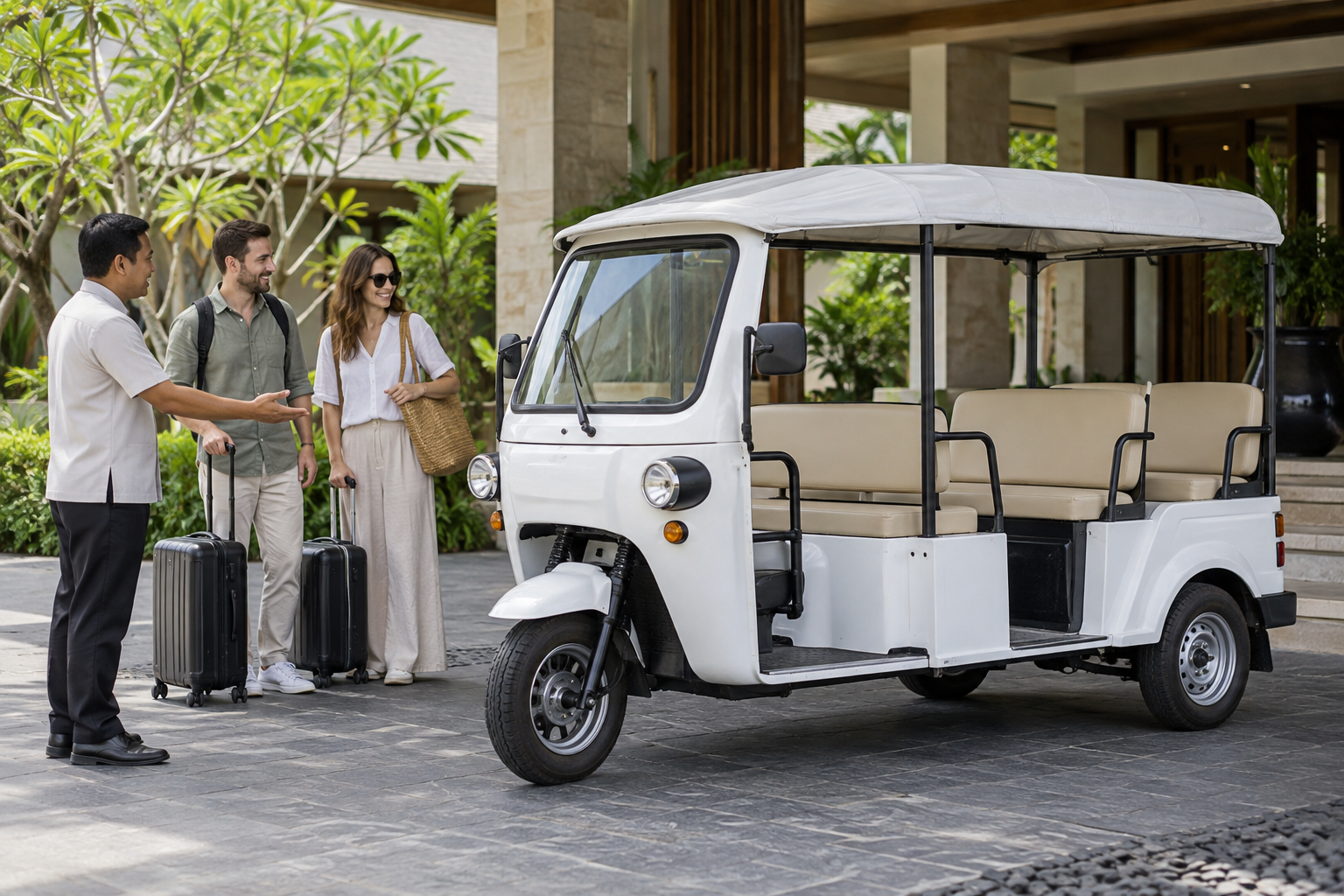
Swapping moves charging into the station
A swap removes a depleted pack and installs an available charged pack. The returned battery still needs electricity before it can serve another vehicle. Gogoro's description of its network explicitly discusses station charging and temporarily pausing that charging to support the grid. Gogoro: battery swapping network.
For procurement, evaluate the entire service time: travel to the station, queueing, the exchange and return to the route. Request a plan for reliable station power, interrupted supply, unavailable equipment and replenishing charged inventory after a busy period. A fast exchange alone does not establish fleet throughput.
Specify compatibility and battery inventory
Ask the supplier to identify the vehicle models, battery part numbers and station equipment supported together. Request written confirmation of the mechanical connection, electrical interface, battery management communication and any software or account requirements. Do not treat the words 'removable battery' as proof of compatibility with a swapping network.
Model inventory over the actual shift schedule: packs in vehicles, packs charging, packs ready for use and packs withdrawn for inspection or repair. Ask who owns each pack, monitors its condition and pays for replacement. Agree a measurable service commitment for charged-pack availability during the busiest operating window.
Check depot power before choosing hardware
Depot charging can be a practical fit when vehicles return to a controlled location and have adequate downtime. Confirm the approved charger for each vehicle, its input requirements and the charging time under specified conditions.
The US Department of Energy recommends early coordination with the utility and equipment providers to assess electricity demand, charging schedules and potential upgrades. Apply that planning principle locally; do not assume a car charger or household outlet suits every light electric vehicle. DOE: electric vehicles for fleets. Include installation, energy charges, maintenance, battery replacement and operational downtime in the comparison.
Send a quotation brief that can be evaluated
Include destination country, vehicle quantity, daily distance, shift pattern, load, site locations, available electrical supply and acceptable interruption time. Add your proposed battery ownership model, maintenance responsibilities and expansion schedule. Ask for the assumptions behind any battery count, charger count or operating-cost estimate.
Browse the Electric Cargo Vehicles and Passenger Vehicles categories to identify the required vehicle format. Then submit the operating brief through the Battery Swapping solution inquiry. Request compatible configurations and a pilot evaluation plan so the vehicle choice and energy arrangement can be assessed together.