Compare total cost per accepted vehicle
Build one cost sheet for each format: vehicle or kit price, export packing, freight, insurance, destination charges, applicable taxes, inland delivery, assembly labor and tooling, inspection, rework and commissioning. Add financing and delay costs using your own assumptions. Divide the total by the number of vehicles accepted for deployment, rather than the number of kits ordered.
Separate one-time setup costs from recurring costs. A workshop investment spread across a small pilot gives a different result from recurring production. Test conservative volumes and a delayed first shipment. Kit packing may improve container utilization, but any saving must exceed the added assembly, quality-control and working-capital costs. Ask each supplier to identify excluded costs and the evidence behind its loading estimate.
Check packing evidence before believing a container count
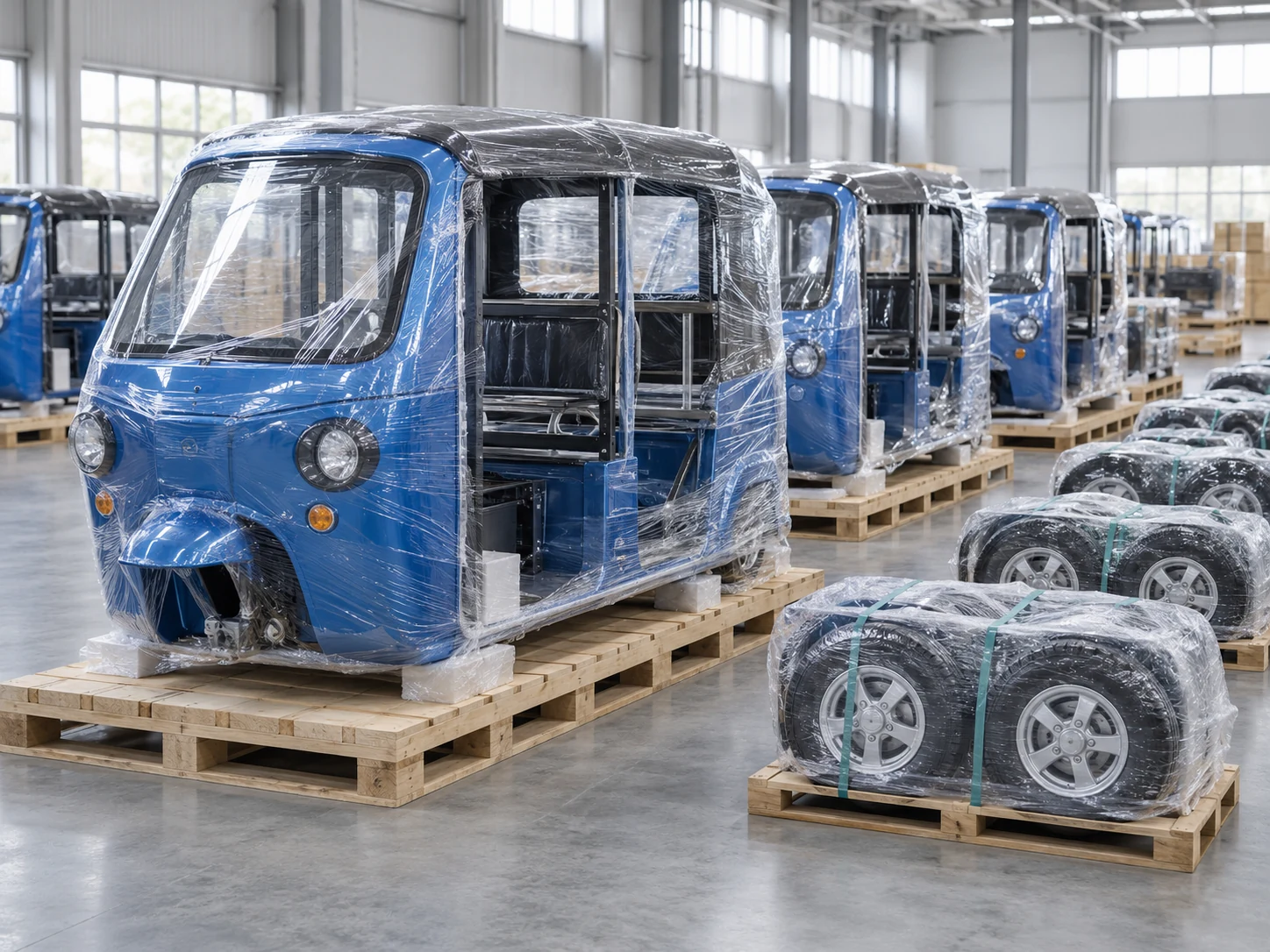
Request packed dimensions and mass, packages per vehicle, stacking limits, a proposed loading layout and securing arrangements. Check receiving access and safe unpacking at the destination. The IMO/ILO/UNECE CTU Code provides a reference for packing and securing cargo throughout intermodal transport; a proposed layout should be assessed against the actual cargo and route. IMO: CTU Code.
Ask whether the quoted count includes batteries, chargers, wheels, spare parts and packaging. Reconcile every package with the BOM and packing list. Require identification by model, kit and part number so receiving staff can locate missing or damaged components before assembly starts.
Verify classification and incentives for the actual shipment
Ask your customs adviser to assess the exact configuration and shipment contents. Under HS General Interpretative Rule 2(a), a complete article presented unassembled or disassembled can still be classified as the complete article. A CKD or SKD label alone therefore does not establish reduced duty or exemption. WCO: Harmonized System interpretation.
Rwanda illustrates why tax claims need precise scope: its VAT legislation provides a time-limited exemption for qualifying imported pure electric motor vehicles, while its tax handbook describes motor vehicle fees that remain payable despite importer exemptions. Confirm the exact tuk-tuk classification, current relief and remaining charges before costing a shipment. Review the Rwanda VAT amendment and RRA Tax Handbook. For local-assembly projects in other markets, obtain written confirmation of applicable eligibility conditions and required approvals.
Make battery documentation match the shipment
Specify the battery manufacturer, model, chemistry and energy rating. Request a test summary matching the actual lithium battery type; PHMSA explains the UN 38.3 test-summary framework. This evidence does not itself establish vehicle road approval or complete every transport requirement. PHMSA: lithium battery test summaries.
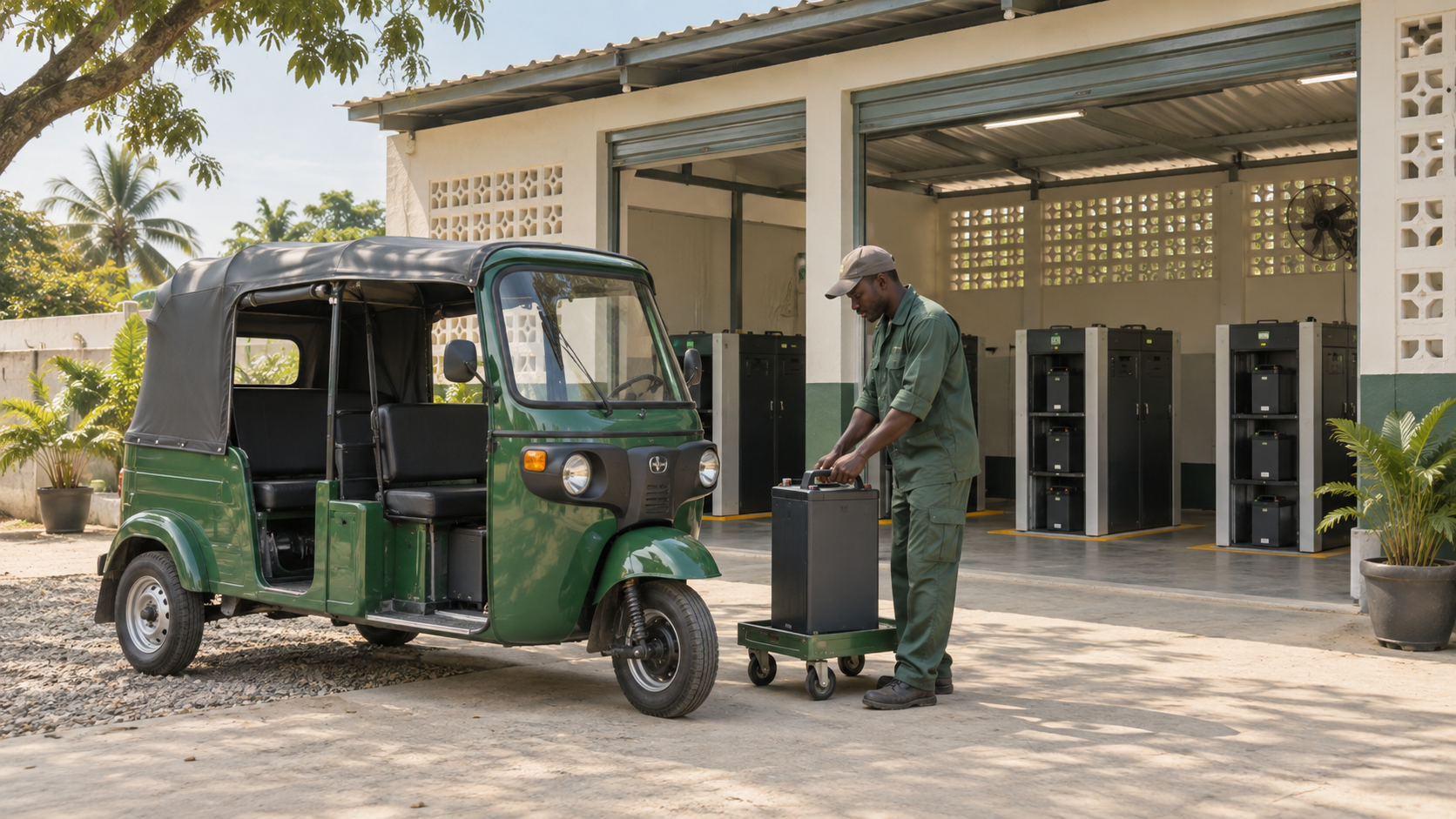
Ask whether batteries ship installed, packed with equipment or separately, and have the freight provider confirm the documentation and transport arrangements for that configuration. Keep the approved battery and charger identifiers in the quotation and acceptance record so a substitution triggers review.
Request three quotations on one comparable basis
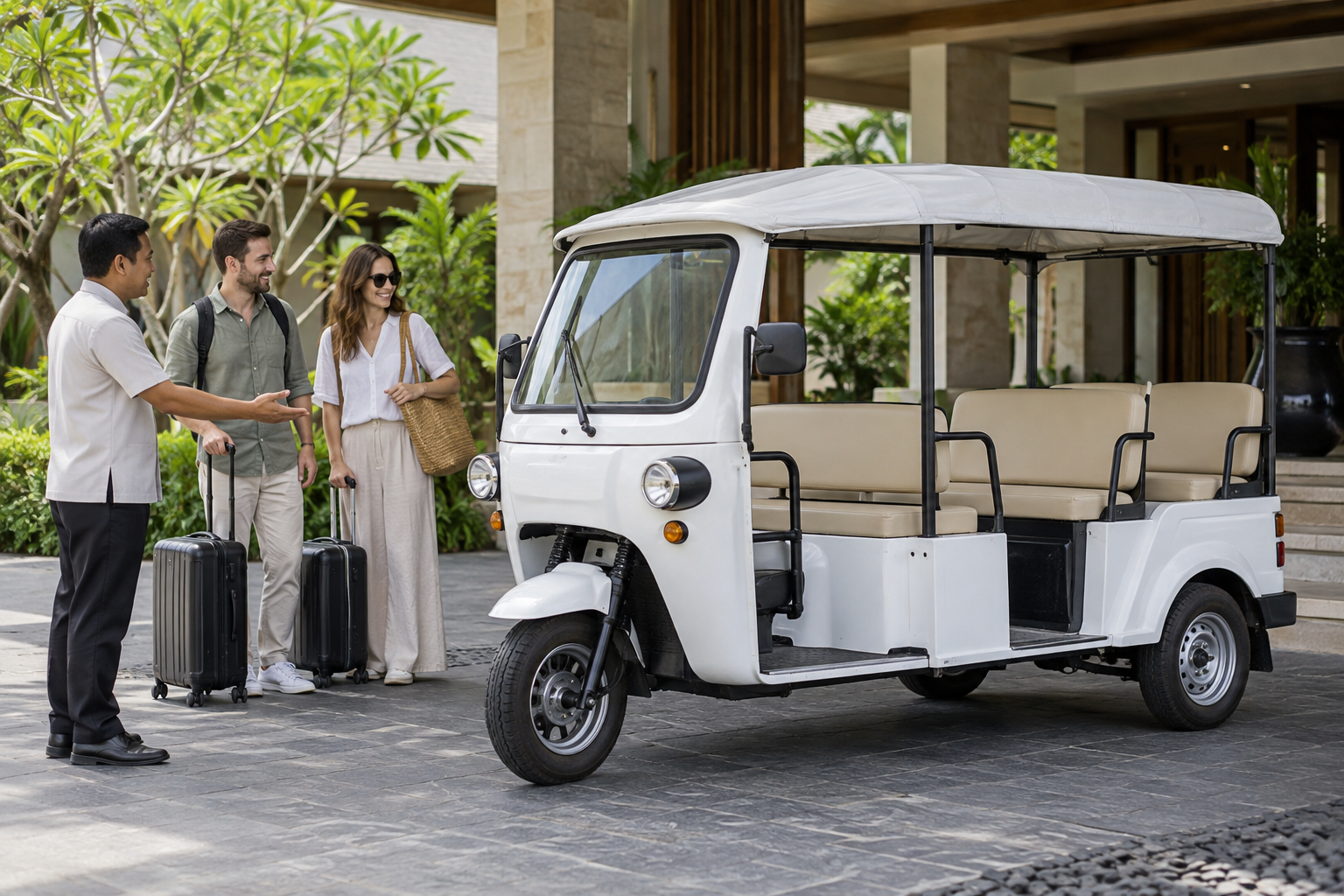
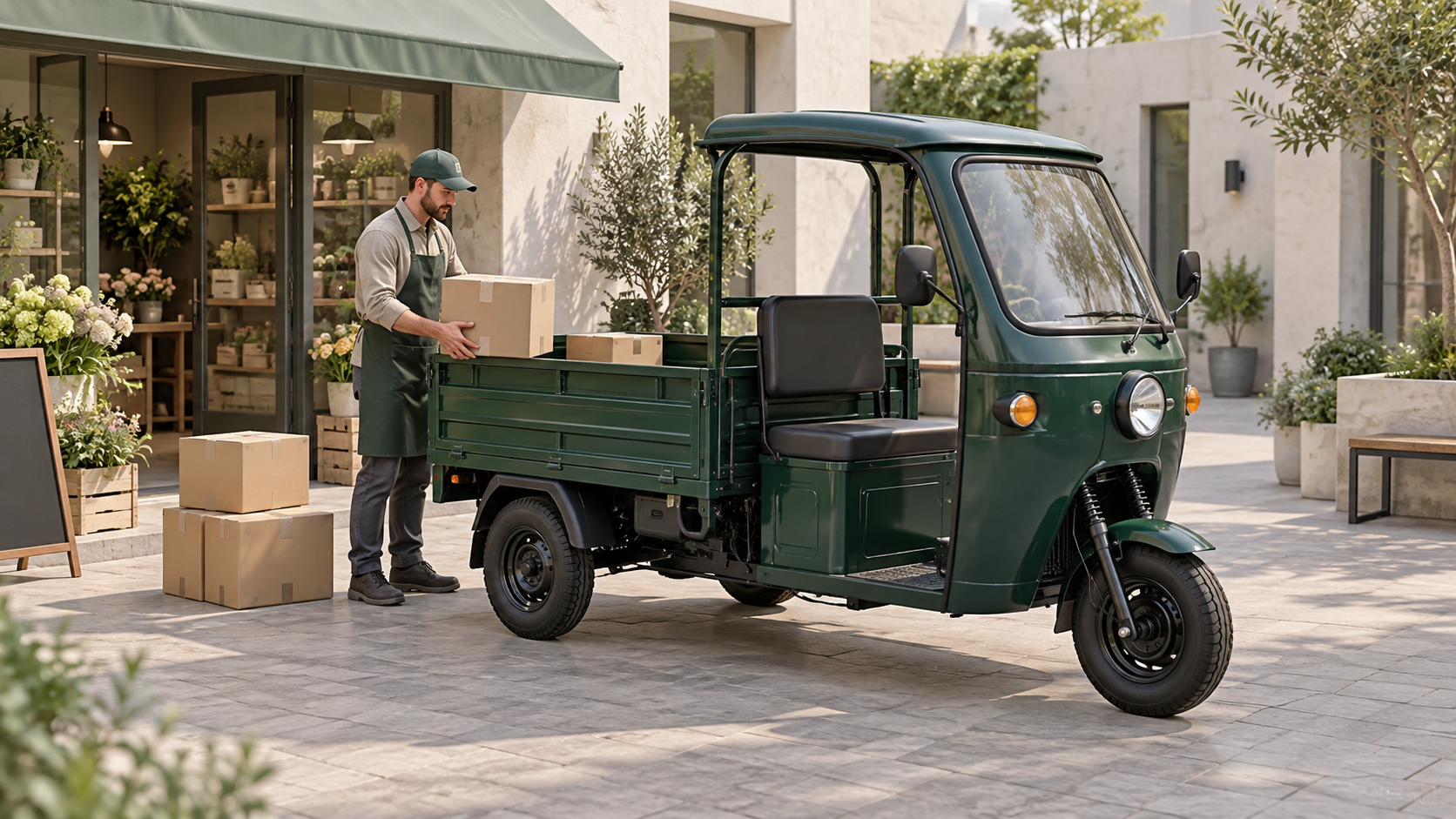
Send the destination, quantity, vehicle use, passenger or payload requirement, battery specification and delivery target. State whether you have an assembly partner and describe its capability. Ask for available whole-vehicle, SKD and CKD options using the same vehicle configuration, named delivery term and place, currency and quotation validity.
Request a BOM, packing plan, tooling list, assembly instructions, training scope and responsibility matrix with each kit proposal. Assign responsibility for assembly defects, missing parts, warranty diagnosis and final inspection. Confirm replacement-part arrangements, payment milestones, production timing and the approvals needed before shipment. Treat format availability, documentation and support as items to confirm for that model and order.
Accept a pilot before scaling the purchase
Agree a sample order using the intended shipment format. Record package completeness, damage, assembly hours and inspection results. TVS’s manufacturing example explains why missing, mismatched or defective kit components can prevent complete vehicle assembly; use that lesson to define your receiving checks, without assuming another supplier uses the same systems. TVS: quality control in CKD and SKD packing.
Set measurable acceptance criteria before paying for the pilot. Assign qualified people to check assembly, brakes, steering, electrical functions and charging. Document any permitted operating trial’s load, route and conditions. Resolve discrepancies and sign off the responsibilities before increasing volume. Send your project brief through the Whole Vehicles, CKD & SKD solution inquiry to request a model-specific delivery-format comparison and the documents needed for your purchasing decision.